WWI along the Westhoek
The Westhoek bears the scars of the First World War like no other region in Flanders. This route takes you along four locations that each tell a different story: the grand museum overview, medical care for the wounded, a Commonwealth cemetery and the nature that recovered on the battlefield. Count on an intensive single day or a quieter two-day trip, as the emotional weight and the wealth of material call for time.
Start in the heart of Ypres at the In Flanders Fields Museum in the restored Cloth Hall. The museum is fully wheelchair-accessible with lifts up to the viewing platform on the belfry, wide corridors and interactive screens at seated height. Personal stories and objects make the war tangible. Allow at least two to three hours. Within walking distance you will find the Yperman Museum, dedicated to the surgeon and war doctor Jan Yperman and the evolution of medicine in wartime. The museum has a lift and an accessible entrance; the corridors are wide enough for an electric wheelchair.
Then drive towards Zonnebeke to Tyne Cot Cemetery, the largest Commonwealth cemetery in the world. The visitor centre is fully adapted, with accessible toilets and a wheelchair-friendly viewpoint over the endless rows of white headstones. On the cemetery itself the main paths are paved; stay near the Cross of Sacrifice for the smoothest experience. A visit to Tyne Cot is moving and confronting, and complements the context provided by the Ypres museums perfectly.
Finish with a breath of fresh air at the Provinciaal Domein De Palingbeek south of Ypres. This green estate lies on the former front line and shows how nature has recovered after the devastation. There are paved walking paths, adapted parking spaces and accessible toilets. Practical tip: pick a single hotel in Ypres as a base for the two-day trip, so you do not need to shuffle luggage. And plan your evening around the daily Last Post ceremony at the Menin Gate, which can also be attended by wheelchair.
Locations on this route
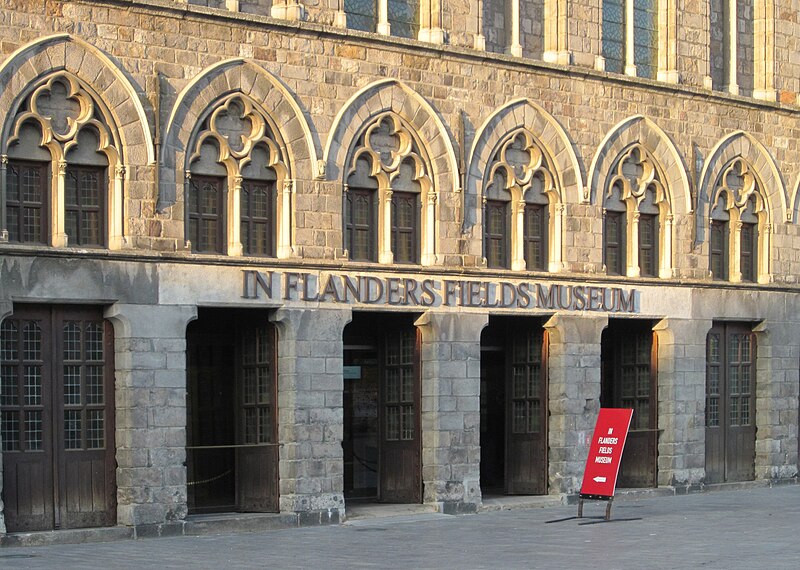
In Flanders Fields Museum in the Cloth Hall of Ypres: WWI history through personal testimonies and multimedia. Lift to...

The largest Commonwealth war cemetery in the world at Zonnebeke, with wheelchair-accessible paths and a moving visitors'...

City museum of Ypres in the historic Cloth Hall, dedicated to the medieval history of the city and the Westhoek....
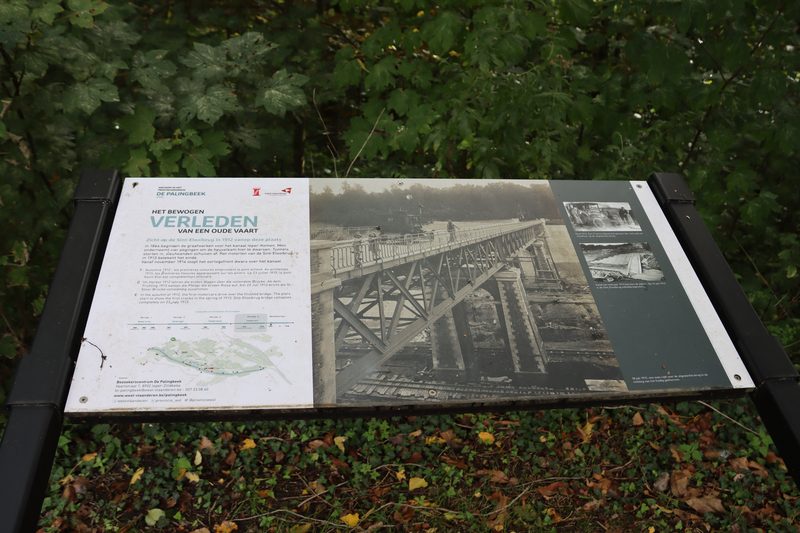
Provincial domain near Ypres with adapted walking paths, fishing pond and play area.