Diest: medieval heritage
Diest is a quiet gem in Flemish Brabant with a rich House of Orange heritage, a beautiful beguinage that is a UNESCO World Heritage site, and a surprising nature area just outside the town. This day trip combines five locations in and around Diest's medieval urban fabric, all well accessible for wheelchair users. The town is compact enough to be explored largely on foot.
Begin your day at the Beguinage of Diest, one of the thirteen Flemish beguinages jointly recognised as World Heritage. The main streets are partly cobbled but negotiable, and the beguinage church is accessible via an adapted side entrance. Roll calmly between the white houses and take your time soaking up the atmosphere. Next, head to Cultuurcentrum De Warande Diest, a modern building with an adapted entrance, a lift, and reserved wheelchair spaces in the auditorium — check the programme if you want to attend a performance.
Nearby you will find the Diest city library, an accessible library with a lift and adapted toilets, ideal for a break with a coffee. On the edge of town lies the Halve Maan, a recreation area with a pond, paved walking paths and plenty of benches. Adapted toilets can be found at the info centre. This is the perfect lunch break with a picnic.
Round off your day at the Webbekomsbroek nature reserve, a silence area just outside Diest with several paved walking paths along the Demer. Not all paths are negotiable, but from the car park you can roll as far as the viewing platform for a beautiful view of the wet meadows and birds. Practical tips: park centrally at Parking Graanmarkt or Koning Albertstraat for disabled parking spaces. Distances between the stops in the old town are 200-600 metres, level but with some cobblestones. For Webbekomsbroek the car is needed; the car park has disabled spaces.
Locations on this route
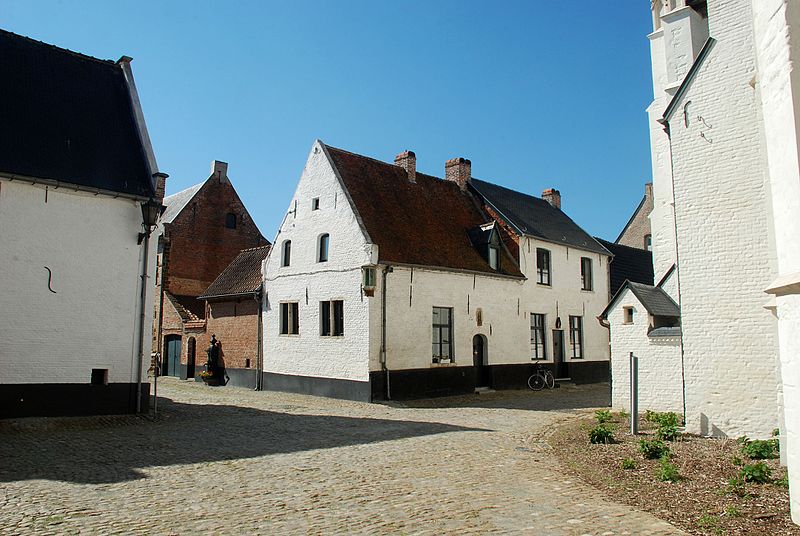
The UNESCO-listed Begijnhof of Diest, one of the best-preserved beguinages in Belgium. Wheelchair accessible.
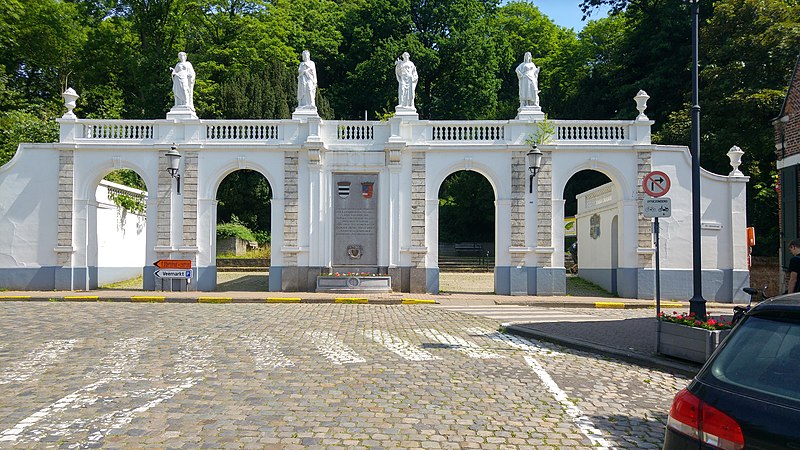
Historic city park De Warande in Diest with paved walking paths and green tranquillity. Wheelchair accessible.
Welcoming city library in Diest with a wide range of offerings and full wheelchair accessibility.

Provincial sport and recreation domain De Halve Maan in Diest. Concrete accessibility details best verified by phone.
Accessible nature reserve near Diest with a boardwalk through marshland, ideal for wheelchair users and birdwatchers.