
Nature in Limburg
Limburg is the greenest province of Flanders and surprises with a variety of vast heathlands, quiet forests, historic villages and innovative cultural centres. This multi-day route connects five locations that each showcase Limburg's nature and culture in their own way, with special attention to wheelchair accessibility.
Start at the Mechelse Heide, one of the gateways to the Hoge Kempen National Park. The Hourglass Trail (Zandloperpad) is a paved walking path of 1.5 kilometres that winds through the purple heather landscape. Along the way you will pass a bird-watching platform, and an all-terrain wheelchair is even available to explore the unpaved paths. Adapted parking spaces and toilets are present at the starting point. Then head to Bokrijk, where the open-air museum brings together more than a hundred historic buildings on an extensive estate. The main paths are paved and free wheelchairs are available.
In Hasselt the Japanese Garden awaits, the largest in Europe. The garden is largely wheelchair accessible via wide, flat paths, although some small bridges and gravel paths may pose a challenge. The serenity of the garden makes it an ideal resting spot halfway through the route. Next, visit C-mine in Genk, where a former mining site has been transformed into a vibrant cultural centre. The main buildings and exhibition spaces are accessible, though some outdoor areas are semi-paved.
Round off the route with Het Vinne near Zoutleeuw, the only natural inland lake in Flanders. This provincial domain has two free all-terrain wheelchairs that you can borrow to explore the semi-paved paths. The combination of water, reed beds and orchards makes it a beautiful nature area. Tip: book accessible accommodation in Hasselt or Genk as a base, as both cities offer good facilities for wheelchair users.
Locations on this route

Belgium's only national park with a 1.5 km paved accessible trail through heathland and forest.

Is Bokrijk wheelchair accessible? Yes — 550 ha with paved main paths, wheelchair loan, accessible toilets in Genk....

Famous cycle path through the pond at Bokrijk with paved decking and threshold-free access for wheelchair cycles.

The largest Japanese garden in Europe, located in the heart of Hasselt, largely wheelchair accessible with wide, flat...

Former coal mine in Genk transformed into a cultural centre with exhibitions, theatre and creative spaces, largely...
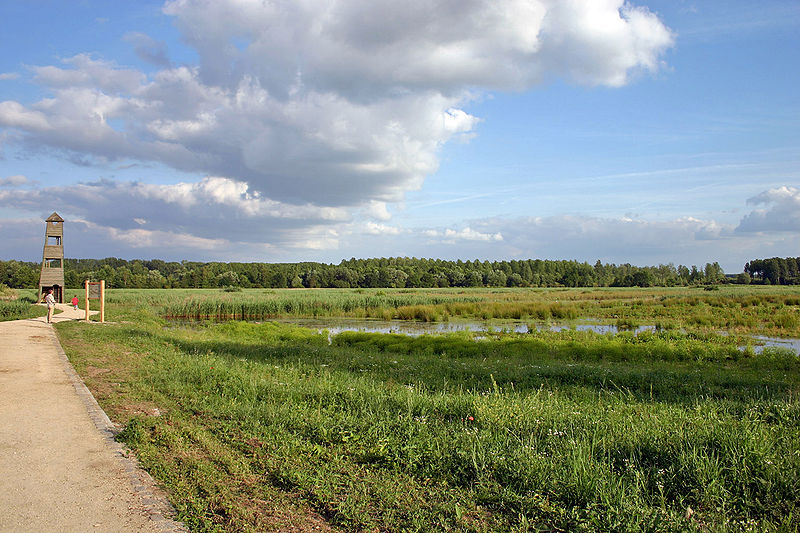
Only natural inland lake in Flanders at Zoutleeuw, with 2 free all-terrain wheelchairs available.